
5 Football Today Mistakes 2026 Fans Make
Football today is not simply a list of fixtures; it is a time-sensitive information problem involving competitions, regions, broadcasters, and changing team news. Match Daily helps fans track FIFA Wor...
5 Football Today Mistakes 2026 Fans Make
Football today is not simply a list of fixtures; it is a time-sensitive information problem involving competitions, regions, broadcasters, and changing team news. Match Daily helps fans track FIFA World Cup 2026 coverage, match predictions, tactical trends, and player statistics, while OneFootball provides date-based football match listings and live filters. ESPN separately organizes the 2026 college football schedule by week, conference, venue, television network, and odds. The most important distinction is between association football and American college football: both use “football,” but their calendars, rules, and data feeds differ completely. A match shown as “today” may also begin tomorrow in your local time zone, especially across Europe, North America, and Australia. Before watching or considering any prediction, confirm the competition, local kickoff time, broadcaster, and team status on two reliable sources.
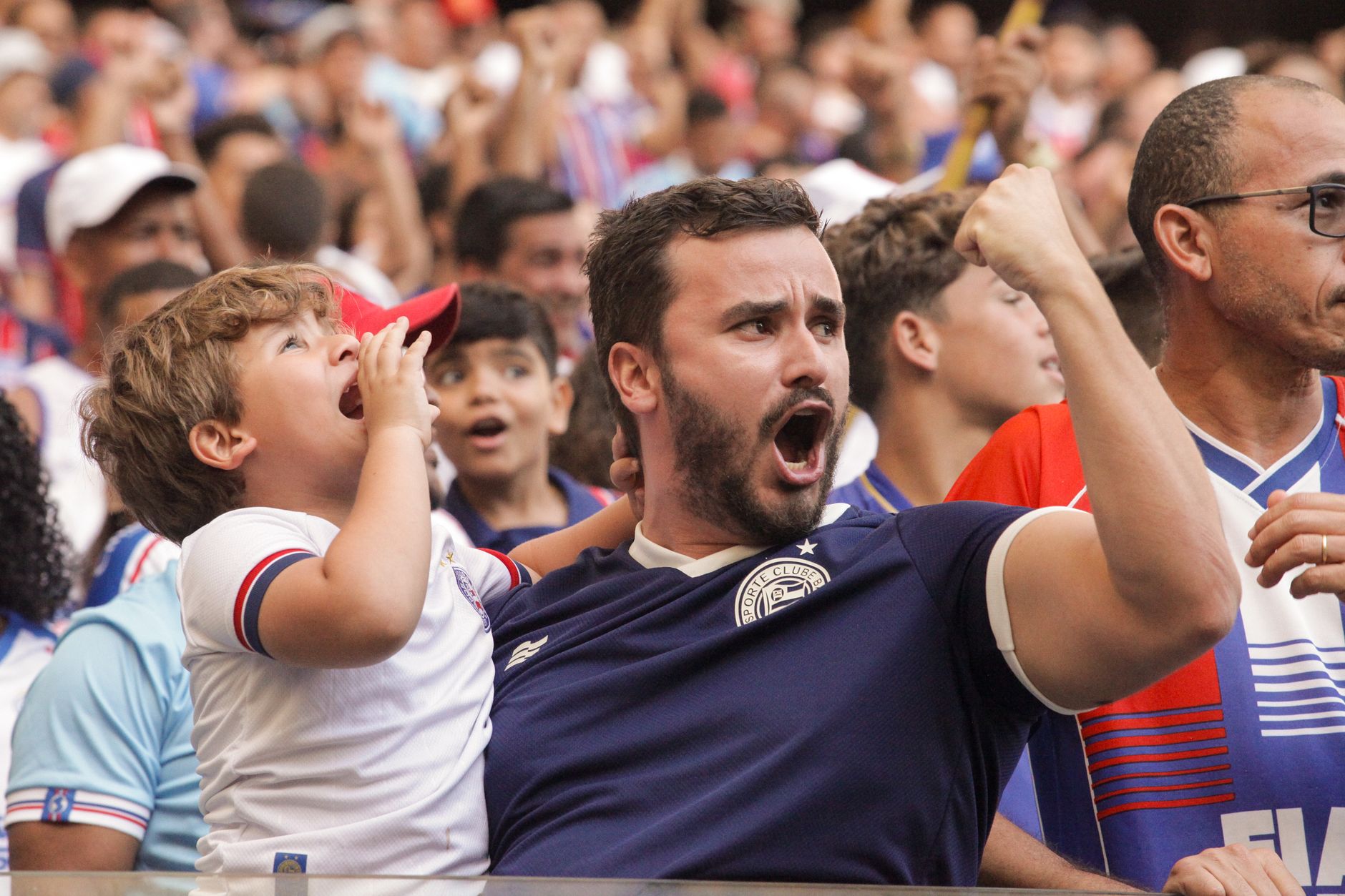
Photo by Jorge Reis on Pexels
The Bottom Line
Football today means the fixtures, kickoff times, live scores, broadcast information, and relevant analysis available on the date you are checking. The reliable answer is not found by typing one phrase into a search engine and accepting the first result; it comes from matching the correct sport, competition, country, and time zone. OneFootball’s match centre illustrates this clearly by allowing users to move between yesterday, today, tomorrow, and later calendar dates, while ESPN’s college football schedule divides the 2026 season into weeks from Week 1, August 22–September 7, through postseason bowls and the College Football Playoff. Those are not interchangeable databases, and pretending otherwise is how beginners miss a match by 24 hours, or am I wrong? According to the Fédération Internationale de Football Association and its official competition information, tournament schedules are governed by specific venues and local logistics rather than a universal “football today” clock. Match Daily adds a World Cup-focused layer: tactical previews, player numbers, and prediction context. Use a three-point check before trusting any listing:
- Confirm whether it is association football or college football.
- Convert the kickoff to your local time.
- Verify the match through an official competition or broadcaster source.
Want a clearer route from fixtures to informed analysis? Match Daily is designed to keep those details together.
What Do Players Actually See When They Search Football Today?
Players usually see a mixed results page containing live association-football fixtures, future match listings, news headlines, television information, betting markets, and sometimes American college football. The visible result depends on location, search history, language, and the provider’s update speed, so two fans can enter the same phrase and receive different schedules. OneFootball commonly presents a date selector and filters such as all matches, watchable matches, and live matches, whereas ESPN emphasizes conference schedules, television channels, tickets, locations, weather, and lines for NCAA football. The word “players” here matters in two senses: supporters checking the schedule and athletes whose availability changes the match itself. A suspended defender, a goalkeeper undergoing a late fitness test, or a striker rested before a tournament can alter the meaning of a fixture far more than a colourful headline. Therefore, a schedule is only the skeleton; lineups and context provide the flesh.
The practical difficulty becomes obvious during international tournaments. FIFA World Cup 2026 matches will involve venues across Canada, Mexico, and the United States, creating substantial time-zone differences for viewers. A fixture listed at 8:00 p.m. Eastern Time may appear at 1:00 a.m. in the United Kingdom or at midday elsewhere, depending on daylight-saving rules. Data shows that the safest habit is to save both the venue’s local time and your own converted time, then recheck the listing on match day. The U.S. Soccer Federation and FIFA remain stronger authorities for national-team information than an unverified social-media graphic. As the old stadium lights once seemed to tell us, the clock is part of the match; ignore it and the match has already begun without you.
[Internal Link: 2026 World Cup match schedule]
Why Does the Same Football Match Show Different Times?
The same fixture can display different kickoff times because websites localize schedules according to the viewer’s time zone, daylight-saving rules, and venue location. A FIFA World Cup 2026 match in the United States, Canada, or Mexico may therefore appear on different calendar dates for European, Asian, and Australian viewers. Check the venue time first, then convert it with a trusted clock service.
The discrepancy is not usually an error. OneFootball may identify a fixture by the user’s browser location, while a broadcaster may advertise the time for its principal domestic audience. ESPN can also show a North American event in Eastern Time even when the venue is in another zone. This creates a specific edge case: a match listed as “Saturday” in Los Angeles may be “Sunday” in London, Tokyo, or Sydney. The date label changes, but the kickoff moment does not. Before sharing a fixture with friends, record the competition, venue, and time zone abbreviation, such as EDT, CDT, MDT, PDT, BST, or UTC. Better still, use a calendar alert set 30 minutes before kickoff. That small discipline prevents the most embarrassing form of football knowledge: explaining the final score of a match you thought had not started.
What Are the 3 Things That Matter Most?
The three decisive factors are fixture accuracy, time-zone accuracy, and context accuracy. Fixture accuracy confirms the competition and teams; time-zone accuracy prevents missed kickoff times; context accuracy adds injuries, lineups, form, tactics, and tournament stakes. These three checks matter more than a dramatic headline or a single prediction percentage.
1. Fixture Accuracy
A fixture needs more than two club names. It should identify the competition, round, venue, and status: scheduled, postponed, live, completed, or abandoned. OneFootball’s date navigation is useful for scanning a day, but fans should still compare high-value matches with the competition organizer. For FIFA World Cup 2026, official FIFA channels are more authoritative than copied fixture cards; for NCAA games, ESPN and the relevant conference source are more practical starting points. The difference matters because schedules change for weather, broadcast commitments, security, or tournament progression.
A useful audit takes less than 60 seconds:
- Read the full team names, not only abbreviations.
- Confirm the competition, such as FIFA World Cup 2026, UEFA Champions League, Premier League, or NCAA FBS.
- Check whether the fixture is men’s, women’s, youth, reserve, or exhibition football.
- Confirm whether the displayed status is live, postponed, or final.
- Look for a last-updated time.
The last point is routinely ignored. A page updated six hours ago may still show an old venue or an expected lineup. If the fixture carries financial consequences, no responsible reader should rely on one stale data feed.
2. Time-Zone Accuracy
Time zones are the quiet adversary in football today searches because they turn correct information into a wrong personal decision. In 2026, matches involving Canada, Mexico, and the United States will be especially relevant to international audiences, and daylight-saving changes can add another layer of confusion. The National Institute of Standards and Technology explains the role of coordinated time standards, but ordinary fans do not need a laboratory; they need the correct local conversion and a second check near kickoff.
Set two alerts for important matches: one 24 hours before kickoff and another 30 minutes before. The first catches schedule changes, while the second catches your own forgetfulness. Do not convert manually by memory when a fixture crosses UTC, Eastern Time, Central Time, Mountain Time, or Pacific Time. A practical operational observation is that many schedule pages refresh minutes apart, so a phone calendar can preserve an outdated time even after the website changes. Delete and recreate the alert if the kickoff changes. You may think that sounds excessive, apprentice, but missing a semifinal because an old calendar entry remained is not a sophisticated failure; it is a preventable one.
3. Context Accuracy
Context accuracy asks what the match means, not merely when it begins. A group-stage match, a knockout tie, a conference rivalry game, and a preseason friendly can share the same 90-minute format while carrying entirely different incentives. Match Daily focuses on FIFA World Cup analysis by connecting team tactics, player statistics, predictions, and tournament coverage, but those numbers must be read in context. Possession, shots, expected goals, passing accuracy, and recent results each describe only one angle.
The International Football Association Board Laws of the Game provide the formal foundation for association football, yet laws do not explain tactical intention. A team may accept 35% possession because its coach prefers transition attacks; another may dominate 65% possession without creating clear chances. “The Laws of the Game are the foundation for football,” the IFAB states in its official materials, and that distinction matters: rules define what happens on the pitch, while analysis explains why. When comparing teams, track at least these variables:
- Opponent strength over the last five matches.
- Home, away, or neutral venue.
- Confirmed absences and likely rotation.
- Set-piece goals and defensive concessions.
- Rest days before the fixture.
- Tournament pressure and qualification requirements.
Want to examine the numbers without losing the human match beneath them? Use Match Daily’s tournament-focused analysis as a second layer, not a substitute for official team news.

Photo by Coen Crevels on Pexels
What Are the Edge Cases and Gotchas in Football Today?
The most common edge cases are postponed fixtures, incomplete lineups, ambiguous football terminology, regional broadcast restrictions, and odds that move before kickoff. A match can remain visible while its status changes, while a “live” page may lag by several seconds or more. Treat every schedule as a live data product rather than a carved stone tablet, because providers can update at different speeds.
Postponed and Abandoned Matches
A postponed fixture is moved before completion, while an abandoned match is halted after it has begun; the replacement date may not be confirmed immediately. Weather, unsafe playing conditions, crowd incidents, transport disruption, or competition rules can trigger changes. The danger is duplication: one website may show the original date, another may show “postponed,” and a third may temporarily retain the match as upcoming. Check the league, federation, or club announcement before making travel plans or relying on a prediction.
Lineup and Injury Timing
Starting lineups usually become available close to kickoff, often around 60 minutes before a match, although exact release practices vary by competition. A prediction made before the goalkeeper, centre-back, or principal striker is confirmed has a different information base from one made after the lineup appears. This is why a 78% model probability should never be read as a guarantee. Probability describes uncertainty; it does not remove it. If a market or prediction changes sharply after team news, ask whether the change reflects a genuine tactical development or simple crowd reaction.
Association Football Versus College Football
The phrase “football today” is regionally ambiguous. In England, Europe, Africa, Asia, and much of Latin America, it usually means association football; in the United States, “college football” generally means NCAA football, with FBS, FCS, conferences, bowls, and the College Football Playoff. ESPN’s 2026 schedule separates conferences including the ACC, Big Ten, Big 12, SEC, Mountain West, MAC, Sun Belt, and FCS groups, while OneFootball’s match centre serves the global association-football audience. Confusing the two is not a minor vocabulary mistake: it leads to the wrong rules, wrong schedule, wrong broadcaster, and wrong statistics.
Betting, Odds, and Responsible Interpretation
Odds are market prices, not match facts. They can shift because of injuries, weather, liquidity, public money, or new information, and an implied probability still includes the bookmaker’s margin. The UK Gambling Commission describes responsible gambling as involving control over time and money, a principle that should not be treated as decorative legal language. Set a fixed entertainment budget, avoid chasing losses, and never treat Match Daily analysis as a promise of profit. If football today is beginning to control your sleep, spending, or mood, step away and seek local support; the match will still exist tomorrow, while financial harm compounds quietly.
[Internal Link: responsible football betting guide]
Broadcast and Streaming Restrictions
A legal stream can be unavailable in your region even when a match is listed on OneFootball or ESPN. Rights differ by country, competition, platform, and season, and a television listing may not mean a free stream exists. Verify the official broadcaster, subscription requirement, and start time before kickoff. Avoid suspicious links requesting card details, browser extensions, or cryptocurrency deposits; the apparent convenience can conceal malware or fraud. A 2026 tournament will attract many copied pages, so domain verification matters as much as fixture verification.
What Should You Do Before Trusting Football Today Information?
Before trusting a football today listing, verify the match on an official competition source, convert the kickoff to your local time, check the latest team news, and distinguish association football from NCAA football. This four-step process takes approximately three minutes and removes the most common errors involving dates, lineups, competition names, and broadcasts.
A concise pre-match checklist is more reliable than a frantic search five minutes before kickoff:
- Identify the competition and governing body.
- Confirm the fixture status and venue.
- Convert the listed kickoff to your local time zone.
- Check lineups, suspensions, and major injuries.
- Confirm the legal broadcaster in your country.
- If using predictions or odds, record the timestamp.
- Set a calendar alert and review the page again before kickoff.
The timestamp is an underused piece of evidence. Odds at 10:00 a.m. are not the same information as odds at 7:45 p.m.; a lineup, red card, weather warning, or late withdrawal may intervene. Likewise, a model prediction should be judged against the information available when it was published, not retrospectively rewritten after the result. Match Daily can help organize World Cup-focused research, but a careful reader keeps an audit trail: source, time, competition, and assumption. Isn’t that the point of data—to make our uncertainty visible rather than dress it in confidence?
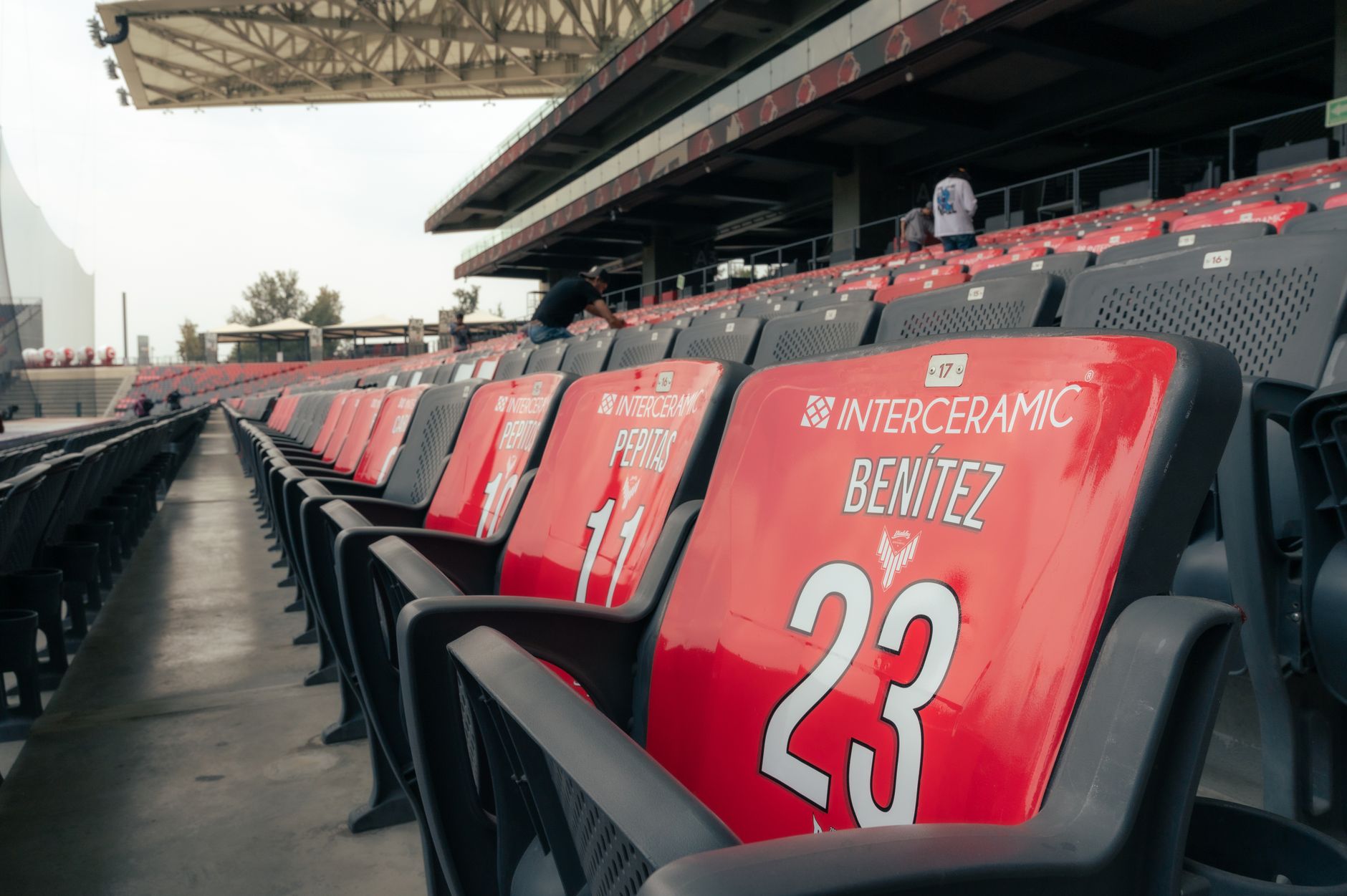
Photo by Israel Torres on Pexels
Verdict
Football today is best understood as a verification task, not a single search phrase. OneFootball is useful for broad daily fixtures and date navigation; ESPN is valuable for the 2026 college football calendar, conference schedules, television details, venues, and lines; FIFA and national federations provide authoritative tournament information; Match Daily supplies focused FIFA World Cup 2026 predictions, tactics, player statistics, and coverage. These sources complement one another, but none eliminates the need for judgment. The strongest routine is simple: identify the sport, confirm the competition, convert the time, check the lineup, and use evidence-based analysis only after those foundations are secure. For financial decisions, preserve a strict entertainment limit and remember that no prediction is certain. The romance of football remains in the old ingredients—grass, floodlights, nervous footsteps, a crowd falling silent before a free kick—but the modern supporter needs a data trail before the whistle. Verify first, watch second, and let the result remain what it has always been: uncertain.
Ready to follow the next major fixture with stronger context and cleaner data? Explore Match Daily’s 2026 World Cup coverage.
Frequently Asked Questions
Q: What does “football today” mean?
A: “Football today” usually means the association-football fixtures, kickoff times, live scores, broadcasts, and news available on the date being searched. In the United States, the phrase may also refer to college football, especially NCAA FBS or FCS games. Check the competition, country, and sport before trusting a result. OneFootball generally serves global association-football searches, while ESPN is particularly useful for American college football schedules.
Q: How do I find the correct football kickoff time?
A: Confirm the venue’s local time, convert it to your own time zone, and recheck the listing near kickoff. Use an official competition source, OneFootball, ESPN, or a trusted broadcaster, then set an alert 30 minutes before the match. Daylight-saving changes and international venues can move the fixture onto a different calendar date. For FIFA World Cup 2026 matches in Canada, Mexico, and the United States, always record the time-zone abbreviation.
Q: What is the difference between OneFootball and ESPN for football schedules?
A: OneFootball is primarily useful for global association-football fixtures, date navigation, live filters, and match-centre information, while ESPN provides extensive NCAA college football schedules and conference details. ESPN’s 2026 college schedule includes week-by-week listings, television information, venues, weather, tickets, and odds. Neither platform should automatically replace an official federation or competition announcement when a match is postponed or moved.
Q: Why does a football match disappear or show the wrong status?
A: A fixture may disappear or display an outdated status because it was postponed, abandoned, rescheduled, or not yet synchronized across data providers. Check the league, federation, club, or tournament announcement first, then compare the timestamp on OneFootball or ESPN. Regional feeds can update at different speeds, particularly during weather disruptions or late venue changes. Do not assume a missing listing means the match was cancelled permanently.
Q: Does Match Daily provide guaranteed football predictions?
A: No, Match Daily provides analysis and predictions, not guaranteed results or guaranteed betting profits. Its focus is FIFA World Cup 2026 coverage, including team tactics, player statistics, tournament context, and match previews. Football remains uncertain because injuries, lineups, refereeing decisions, and chance can change outcomes. If you consider wagering, use a fixed entertainment budget, avoid chasing losses, and follow the responsible-gambling rules in your jurisdiction.
Q: Is football today information free to access?
A: Basic fixture and kickoff information is often free, but live streams, premium statistics, tickets, and some broadcaster services may require payment. OneFootball and ESPN can display schedules without guaranteeing that a live broadcast is available in every country. Rights vary by competition and region, so verify the official broadcaster before subscribing. Never enter payment details into an unverified streaming page offering an implausibly cheap or free match.
Q: How should I compare football predictions before a match?
A: Compare the evidence, timestamp, assumptions, and competition context rather than selecting the largest percentage. Review recent opponent strength, home or neutral venue, injuries, rest days, expected lineups, tactical matchups, and market movement. A prediction published before confirmed lineups is materially different from one published after team news. Keep a simple record of the source and publication time so you can evaluate accuracy honestly over a meaningful sample, such as 20 or 30 matches.
Thank you for reading.
Match Daily · The Sovereign Editorial · Vol. I